Future Urban Mobility: Top 5 US Trends 2026
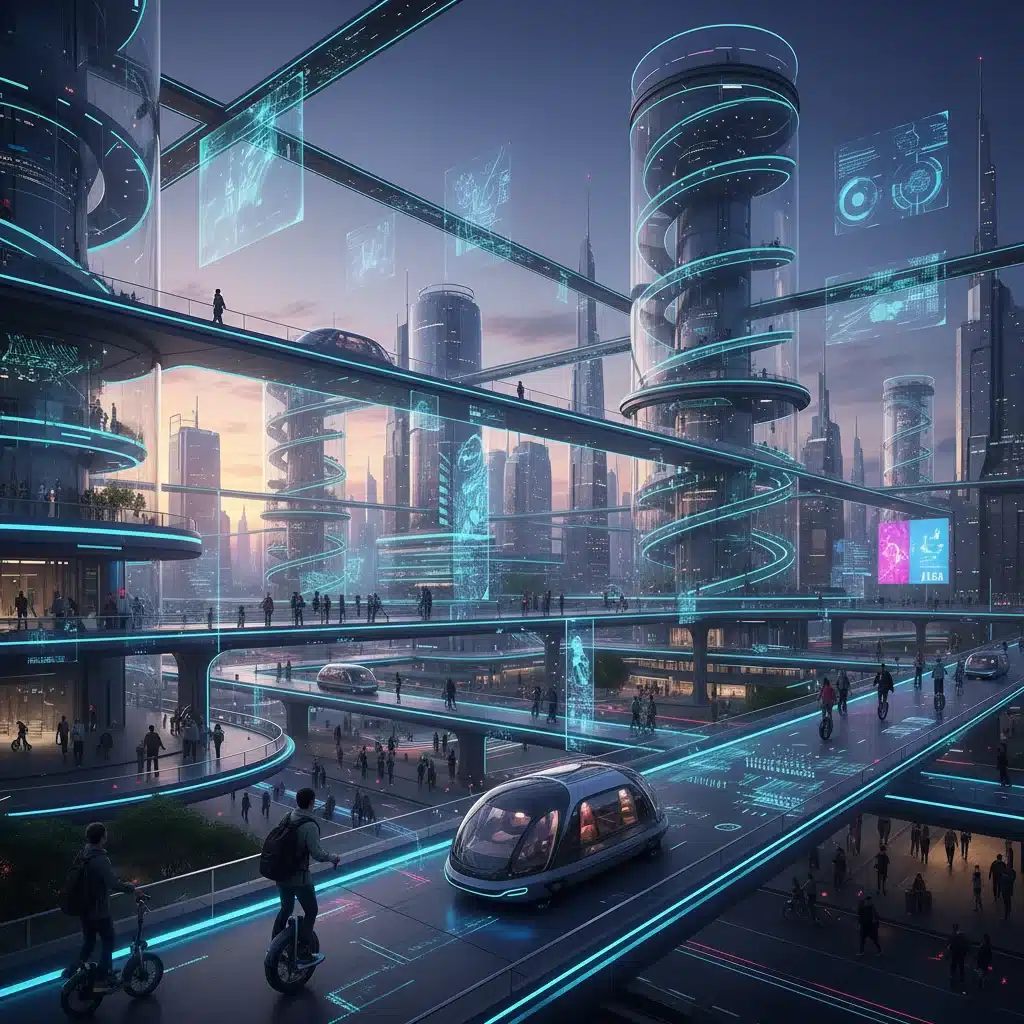
The landscape of urban travel is on the cusp of a profound transformation. As cities grow and technology advances, the way we move through our metropolitan areas is evolving at an unprecedented pace. By 2026, the United States will witness significant shifts in its urban mobility paradigms, driven by innovation, sustainability goals, and the relentless pursuit of efficiency. This article delves into the top five Urban Mobility Trends that are not just fads, but fundamental changes set to revolutionize urban travel in the coming years.
Understanding these Urban Mobility Trends is crucial for urban planners, policymakers, businesses, and everyday citizens alike. They promise to reshape our commutes, reduce our carbon footprint, and enhance the overall quality of urban life. From the integration of smart city technologies to the proliferation of new forms of transportation, the future of getting around is both exciting and complex.
The Dawn of Smart City Integration in Urban Mobility
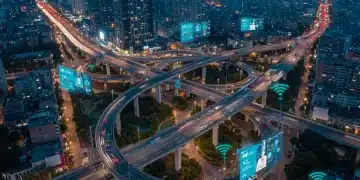
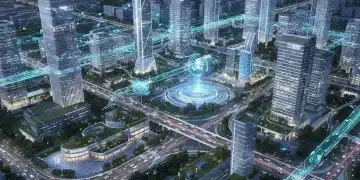
The concept of a ‘smart city’ is no longer a futuristic dream but a rapidly unfolding reality. At its core, smart city integration in urban mobility refers to the use of data, technology, and interconnected systems to manage and optimize transportation networks. By 2026, this integration will be a cornerstone of Urban Mobility Trends across major US cities.
What does this mean in practice? Imagine traffic lights that adapt in real-time to traffic flow, reducing congestion and travel times. Picture public transportation systems that can predict demand and adjust schedules dynamically. Envision parking spaces that communicate their availability to drivers, saving time and fuel. These are just a few examples of how smart city technologies are making urban travel more intelligent and efficient.
Key components of this trend include:
- IoT Sensors and Data Analytics: Thousands of sensors embedded in roads, vehicles, and public infrastructure will collect vast amounts of data. This data, when analyzed, provides insights into traffic patterns, pedestrian movements, and environmental conditions, enabling proactive management of mobility challenges.
- Connected Infrastructure: Vehicle-to-infrastructure (V2I) and vehicle-to-everything (V2X) communication technologies will allow vehicles to communicate with each other and with city infrastructure. This connectivity enhances safety, improves traffic flow, and provides real-time information to drivers and autonomous systems.
- Integrated Mobility Platforms: Imagine a single app that allows you to plan a journey using a combination of public transit, ride-sharing, bike-sharing, and even autonomous shuttles. These platforms, often referred to as Mobility-as-a-Service (MaaS), are central to smart city integration, offering seamless, multimodal travel options.
- Predictive Modeling: Leveraging AI and machine learning, cities will be able to predict traffic bottlenecks, plan for major events, and even forecast the impact of weather on transportation, allowing for pre-emptive adjustments to mobility strategies.
The benefits are manifold: reduced congestion, lower emissions, improved safety, and a more predictable and enjoyable travel experience for urban dwellers. As cities like Boston, Los Angeles, and Denver continue to invest heavily in smart infrastructure, this trend will undeniably redefine Urban Mobility Trends.
The Rise of Autonomous Vehicles and Shuttles
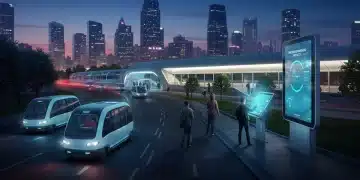
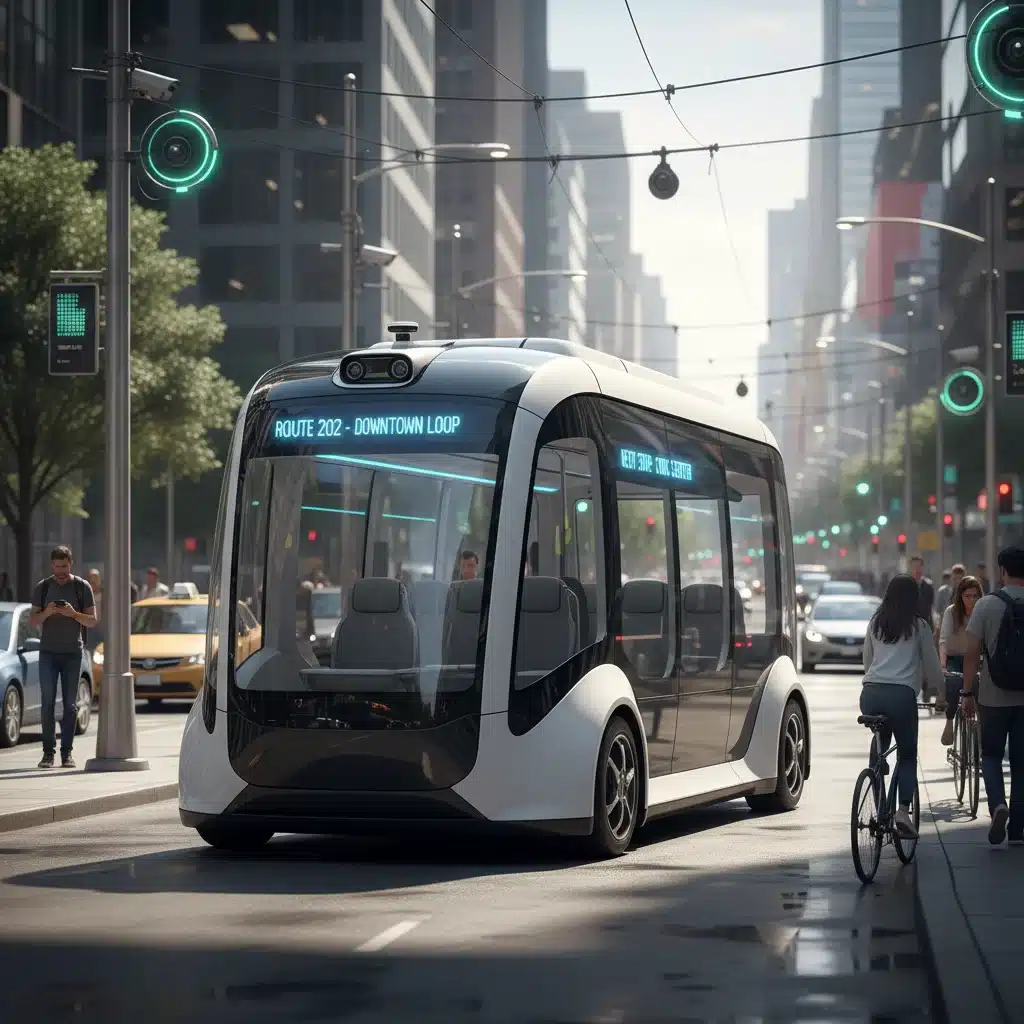
Perhaps one of the most talked-about and transformative Urban Mobility Trends is the advent of autonomous vehicles (AVs). While fully self-driving cars for personal ownership are still some way off for widespread adoption, autonomous shuttles and robotaxis are already making significant inroads in urban environments, and their presence will multiply by 2026.
Autonomous shuttles, operating on fixed or semi-fixed routes, are proving particularly effective for first-mile/last-mile connections, bridging gaps in public transit networks. They offer a flexible, on-demand service that can reduce reliance on private vehicles for short trips within urban centers or campus environments. Companies like Waymo, Cruise, and Optimus Ride are expanding their services, demonstrating the viability and safety of these driverless options.
The impact of AVs on Urban Mobility Trends extends beyond mere convenience:
- Enhanced Safety: A significant percentage of accidents are due to human error. AVs, with their sophisticated sensor arrays and rapid decision-making capabilities, promise to drastically reduce collision rates, making urban streets safer for everyone.
- Optimized Traffic Flow: Connected and autonomous vehicles can communicate with each other and with smart city infrastructure, allowing for more coordinated movements, reduced braking and acceleration, and ultimately, smoother traffic flow. This can significantly alleviate congestion.
- Increased Accessibility: Autonomous vehicles can provide mobility solutions for individuals who are unable to drive, such as the elderly or those with disabilities, thereby increasing independence and access to services.
- Reduced Parking Needs: As AVs can drop off passengers and then either pick up new ones or park themselves in designated, often off-peak, areas, the demand for prime urban parking spaces could decrease, freeing up valuable city land.
- New Business Models: The rise of AVs will foster new business models in ride-sharing, logistics, and delivery services, further integrating them into the urban fabric.
Challenges remain, including regulatory frameworks, public acceptance, and the ethical considerations of AI decision-making. However, the momentum behind autonomous technology is undeniable, cementing its place as a pivotal element of future Urban Mobility Trends.
Micro-mobility Solutions: The Last-Mile Revolution
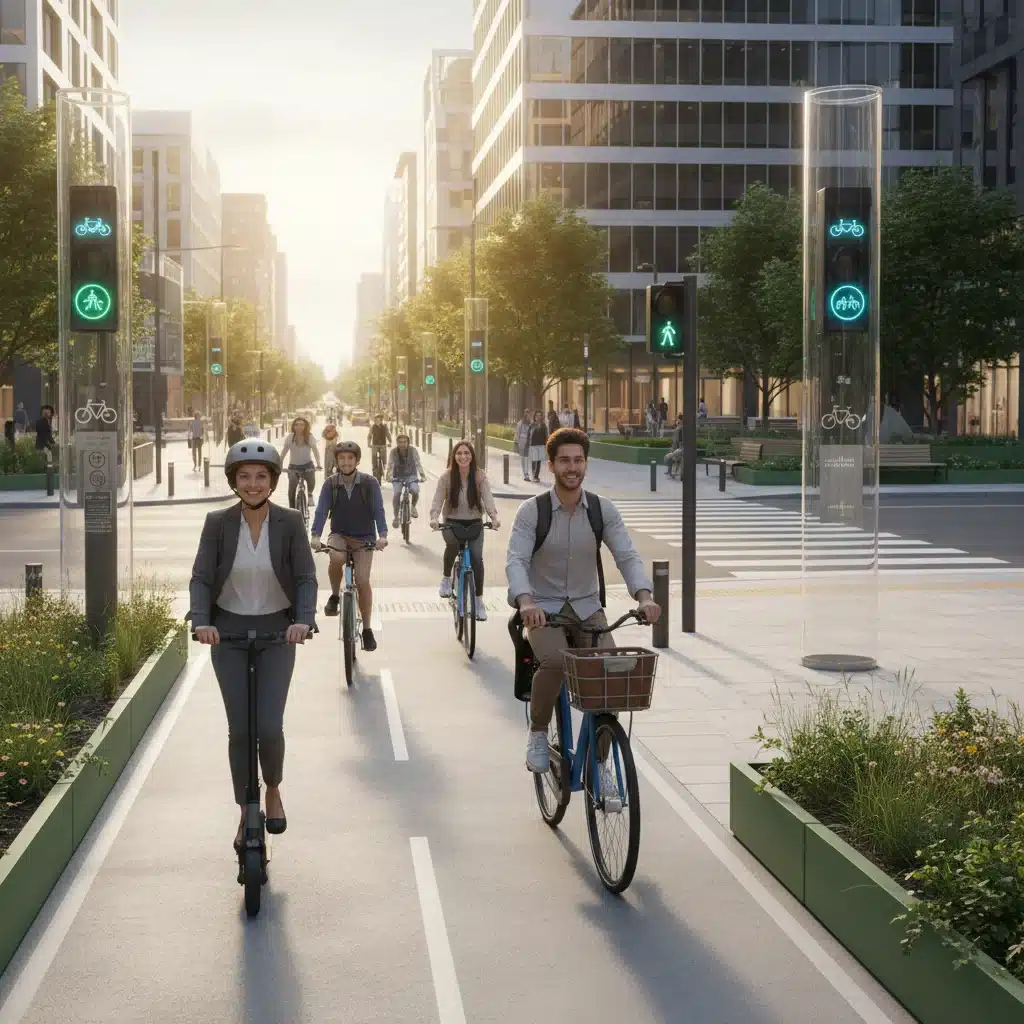
The explosion of micro-mobility options has been one of the most visible and rapid Urban Mobility Trends in recent years, and its growth is only set to accelerate. Micro-mobility encompasses a range of lightweight, often electric, vehicles designed for short-distance travel, typically under five miles. This includes electric scooters, e-bikes, shared bicycles, and even electric skateboards.
These solutions address the ‘last-mile problem’ – the challenge of efficiently getting people from public transit hubs to their final destinations, or for short trips where walking is too far and driving is inconvenient. They offer a flexible, affordable, and often enjoyable alternative to traditional transportation modes.
The widespread adoption of micro-mobility is driven by several factors:
- Convenience and Flexibility: With app-based unlocking and dockless systems, micro-mobility vehicles are readily available and can be picked up and dropped off almost anywhere, offering unparalleled flexibility for urban commuters.
- Environmental Benefits: Most micro-mobility options are electric, producing zero tailpipe emissions. This contributes significantly to reducing urban air pollution and combating climate change, aligning with broader sustainability goals.
- Reduced Congestion: By offering an alternative to cars for short trips, micro-mobility helps to alleviate traffic congestion and parking demand in crowded urban centers.
- Cost-Effectiveness: For many users, micro-mobility offers a more economical way to travel short distances compared to ride-shares or personal vehicle ownership.
- Health and Wellness: While electric, many e-bikes and shared bicycles still involve physical activity, promoting healthier lifestyles among urban populations.
Cities are learning how to integrate these new modes responsibly, implementing regulations for parking, speed limits, and designated riding areas to ensure safety and order. The ongoing evolution of infrastructure to support micro-mobility, such as dedicated bike lanes and charging stations, will further solidify its role in shaping Urban Mobility Trends.
Electrification of Fleets and Infrastructure
The push towards electrification is not just a niche movement; it’s a fundamental shift impacting all facets of Urban Mobility Trends. By 2026, the electrification of public and private vehicle fleets, coupled with the expansion of charging infrastructure, will be a dominant force in urban transportation.
This trend encompasses:
- Electric Public Transit: Cities are rapidly transitioning their bus fleets to electric models. Electric buses offer quieter operation, lower operating costs (over their lifespan), and zero emissions, making them an attractive option for improving urban air quality and public health.
- Electric Ride-Sharing and Delivery Fleets: Major ride-sharing companies and last-mile delivery services are increasingly committing to electrifying their vehicles. This not only aligns with corporate sustainability goals but also responds to growing consumer demand for environmentally friendly options.
- Widespread Charging Infrastructure: The success of electrification hinges on a robust and accessible charging network. Expect to see a significant expansion of public charging stations – both fast chargers and slower, overnight options – in urban centers, workplaces, and residential areas. Smart charging solutions that optimize energy consumption and integrate with the grid will also become more common.
- Personal Electric Vehicles: While not exclusively urban, the growth of personal electric vehicles (EVs) will continue to influence urban planning, particularly concerning residential charging and curb management.
The transition to electric vehicles (EVs) is a critical step towards achieving climate goals and reducing dependence on fossil fuels. It also presents opportunities for innovation in battery technology, grid management, and renewable energy integration. The synergy between electric vehicles and smart grid technologies will be a key aspect of future Urban Mobility Trends, allowing vehicles to not only consume energy but also potentially feed it back into the grid during peak demand.
Integrated Public Transit and On-Demand Services
The final, but by no means least important, of the top Urban Mobility Trends for 2026 is the deeper integration of traditional public transit with modern on-demand services. This isn’t about replacing public transit, but rather enhancing its reach, flexibility, and efficiency through technology and collaboration.
Historically, public transit has operated on fixed routes and schedules, which can limit its effectiveness in less dense areas or during off-peak hours. On-demand services, such as ride-sharing, taxi services, and even flexible micro-transit options, offer a level of adaptability that can complement and extend the public transit network.
Key aspects of this integration include:
- Mobility-as-a-Service (MaaS) Platforms: As mentioned earlier, MaaS platforms are central to this trend. They allow users to plan, book, and pay for multimodal journeys seamlessly, combining bus, train, metro, ride-share, and micro-mobility options into a single, cohesive experience. This reduces friction and makes public transit a more attractive option.
- On-Demand Public Transit: Some cities are experimenting with on-demand or ‘micro-transit’ services that operate within specific zones, allowing users to request a pick-up and drop-off within that area. These services can fill gaps in traditional bus routes, especially in suburban areas or during late-night hours.
- Data Sharing and Collaboration: Public transit agencies are increasingly collaborating with private ride-sharing and micro-mobility providers, sharing data to optimize routes, schedules, and service areas. This collaborative approach ensures a more holistic and efficient transportation ecosystem.
- Dynamic Pricing and Incentives: Integrated systems can use dynamic pricing and incentives to encourage the use of public transit during peak hours, or to direct users towards less congested modes of transport, thereby balancing demand across the network.
The goal is to create a more resilient, responsive, and user-centric transportation system that reduces reliance on private cars, lowers emissions, and makes urban living more accessible and enjoyable. This holistic approach to transportation planning is a defining characteristic of the evolving Urban Mobility Trends.
The Broader Impact of Evolving Urban Mobility Trends
The convergence of these five Urban Mobility Trends will have far-reaching implications for urban landscapes, economies, and social structures. It’s not just about getting from point A to point B; it’s about reimagining how cities function and how people interact with their environment.
Economic Implications
The new mobility ecosystem will foster new industries and job markets, from software development for MaaS platforms to infrastructure maintenance for EV charging networks and autonomous vehicle sensors. Real estate development will also be influenced, with less demand for parking and a potential shift towards more pedestrian-friendly urban designs. Businesses that adapt to these changes, offering integrated services or sustainable options, will be well-positioned for growth.
Environmental Benefits
A primary driver behind many of these trends is the urgent need for environmental sustainability. The shift towards electrification, shared mobility, and optimized transit systems promises significant reductions in greenhouse gas emissions, air pollution, and noise pollution. This will lead to healthier urban environments and contribute to global efforts to combat climate change, making sustainable practices an integral part of future Urban Mobility Trends.
Social Equity and Accessibility
While technology can sometimes exacerbate inequalities, these Urban Mobility Trends also hold the potential to enhance social equity. By providing more diverse, affordable, and accessible transportation options, cities can better serve underserved communities, connect residents to job opportunities, education, and healthcare, and reduce transportation-related financial burdens. Autonomous vehicles, in particular, can offer unprecedented independence to individuals with mobility challenges.
Urban Planning and Infrastructure Development
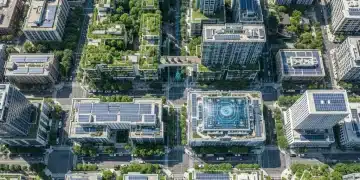
City planners are at the forefront of responding to these changes. The need for dedicated micro-mobility lanes, redesigned public spaces to accommodate shared vehicles, and the strategic placement of charging infrastructure will necessitate significant investments and innovative urban design. The concept of the ’15-minute city,’ where most daily needs can be met within a short walk or bike ride, aligns perfectly with these evolving Urban Mobility Trends.
Challenges and the Path Forward
While the future of urban mobility is bright with possibilities, realizing these Urban Mobility Trends will not be without challenges. Regulatory hurdles, cybersecurity concerns for connected systems, data privacy issues, and the need for significant public and private investment are all crucial considerations. Furthermore, ensuring equitable access to new technologies and services for all residents will be paramount.
However, the collaboration between governments, technology companies, urban planners, and communities is paving the way for overcoming these obstacles. Pilot programs, open data initiatives, and public-private partnerships are accelerating the development and deployment of these transformative mobility solutions.
By 2026, the US urban landscape will be characterized by smarter, cleaner, and more efficient ways to move. The top five Urban Mobility Trends – smart city integration, autonomous vehicles, micro-mobility, electrification, and integrated public transit with on-demand services – are not isolated phenomena but interconnected forces driving a holistic evolution of urban travel. Embracing these changes proactively will be key to building resilient, sustainable, and livable cities for the future.
The journey ahead is exciting, promising a future where urban movement is not a source of stress, but a seamless, integrated, and environmentally responsible part of daily life. Keep an eye on these Urban Mobility Trends, as they are truly shaping the next era of urban transportation.