Smart Grid Innovations: US Cities Achieve 10% Energy Savings by 2026
Smart Grid Innovations: How US Cities Are Achieving 10% Energy Savings Through New 2026 Technologies
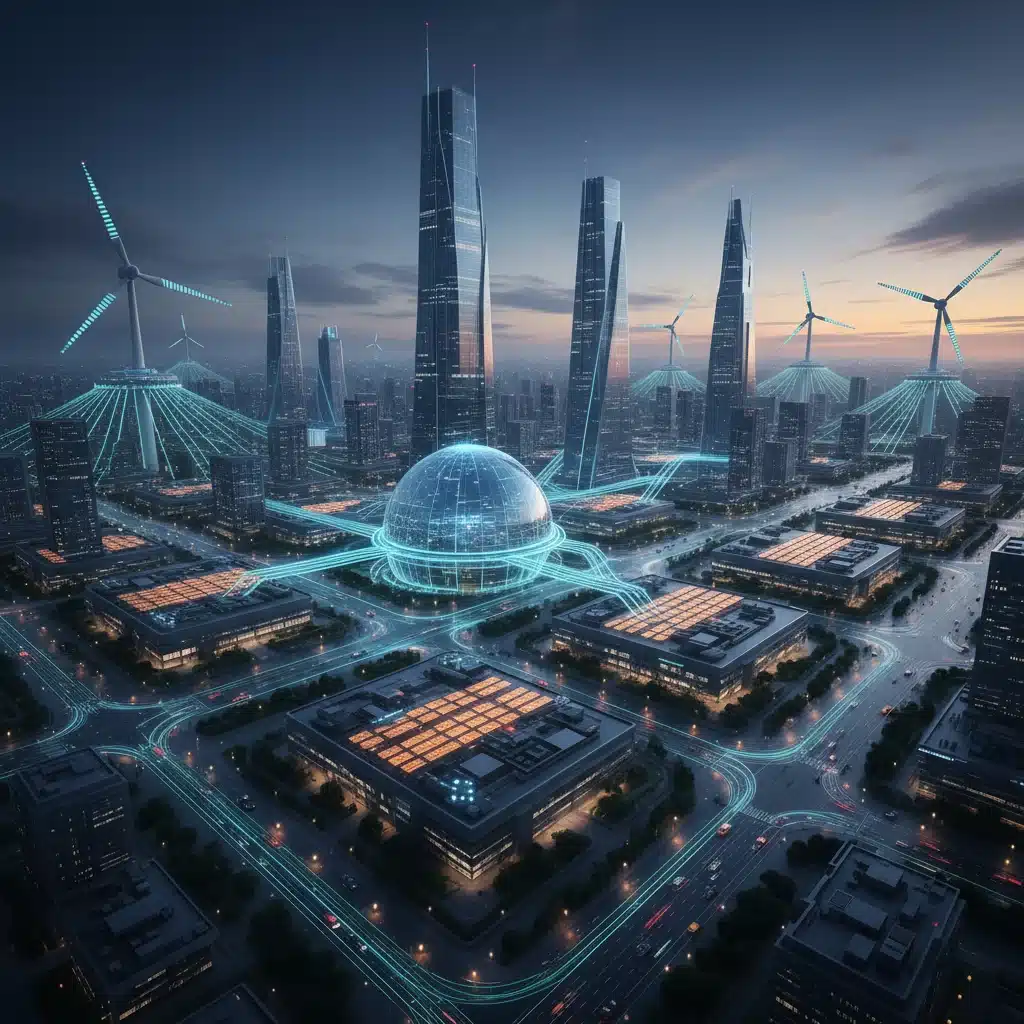
The quest for sustainable urban living has never been more urgent. As populations grow and energy demands escalate, US cities are turning to Smart Grid Energy Savings as a pivotal solution. The ambitious goal? A remarkable 10% energy saving by 2026, driven by a wave of advanced technologies and innovative strategies. This isn’t merely an aspiration; it’s a meticulously planned transformation of how we generate, distribute, and consume power, promising a more resilient, efficient, and environmentally friendly future for urban centers across the nation.
The Dawn of a New Energy Era: Understanding the Smart Grid Revolution
At its core, a smart grid is an electricity network that uses digital technology to monitor, control, and manage the transmission of electricity from all generation sources to meet the varying electricity demands of end-users. It’s a two-way flow of electricity and information, a stark contrast to the century-old, one-way conventional grid. This intelligent infrastructure is designed to enhance reliability, security, and efficiency, making it a cornerstone of modern urban development.
The journey towards energy efficiency in US cities is not a new one, but the pace and scale of change are accelerating dramatically. The year 2026 marks a significant milestone, representing a convergence of technological advancements, policy initiatives, and a growing public awareness of climate change and resource conservation. Cities are no longer just consumers of energy; they are becoming active participants in its management, leveraging data and automation to optimize every aspect of their energy ecosystems.
One of the primary drivers behind this push is the recognition that traditional energy systems are often inefficient, leading to significant waste. Power plants often generate more electricity than needed to account for peak demand, and transmission losses can be substantial. The smart grid addresses these inefficiencies by providing real-time data on energy consumption, allowing utilities to adjust supply to demand more precisely, integrate renewable energy sources seamlessly, and empower consumers with greater control over their energy usage. This holistic approach is crucial for achieving the ambitious 10% Smart Grid Energy Savings target.
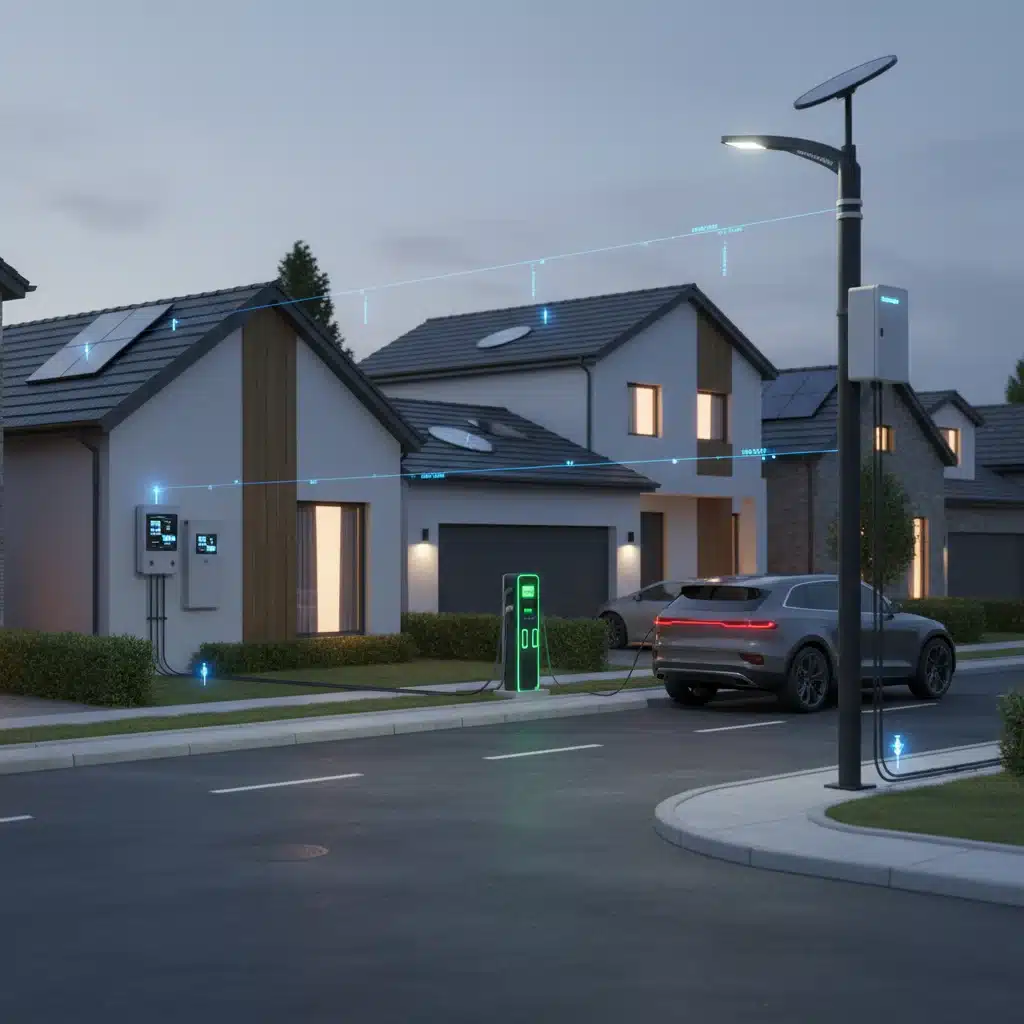
Furthermore, the integration of distributed energy resources (DERs), such as rooftop solar panels and battery storage systems at homes and businesses, is a game-changer. The smart grid acts as the orchestrator, enabling these diverse sources to feed into the main grid efficiently, reducing reliance on centralized power plants and enhancing local energy resilience. This shift from a centralized to a more decentralized energy model is fundamental to the smart grid paradigm and its potential for substantial energy savings.
Key Technologies Powering the 2026 Energy Savings Goal
The aspiration for 10% Smart Grid Energy Savings by 2026 is underpinned by a suite of innovative technologies. These advancements are transforming every component of the energy value chain, from generation to consumption.
Advanced Metering Infrastructure (AMI)
AMI, often referred to as ‘smart meters,’ is the backbone of the smart grid. These digital meters record energy consumption in granular detail (e.g., every 15 minutes) and transmit this data wirelessly to utilities. This real-time data allows consumers to monitor their usage, identify inefficiencies, and make informed decisions about their energy habits. For utilities, AMI provides unprecedented insights into grid performance, enabling better demand forecasting, outage detection, and load management. The ability to collect and analyze this data is paramount for identifying opportunities for energy efficiency strategies.
Sensor Networks and IoT Devices
Across the grid, a vast network of sensors and Internet of Things (IoT) devices are being deployed. These include sensors on power lines to detect faults, sensors in transformers to monitor health, and smart thermostats in homes to optimize heating and cooling. These devices collect continuous data, providing a comprehensive picture of grid conditions and energy usage patterns. This data feeds into advanced analytics systems, allowing for predictive maintenance, proactive problem-solving, and dynamic optimization of energy flow, all contributing to significant Smart Grid Energy Savings.
Renewable Energy Integration and Storage
The smart grid is indispensable for integrating intermittent renewable energy sources like solar and wind power. Advanced inverters, grid-scale battery storage, and sophisticated control systems ensure that fluctuations in renewable generation are managed effectively. Energy storage solutions, in particular, play a critical role in balancing supply and demand, storing excess renewable energy for use during peak times or when generation is low. This seamless integration not only reduces carbon emissions but also enhances grid stability and efficiency, directly impacting energy savings.
Demand Response Programs
Demand response (DR) programs incentivize consumers to reduce their energy consumption during peak periods. Through smart thermostats and other connected devices, utilities can send signals to adjust energy use automatically or allow consumers to opt-in to reduce consumption in exchange for financial incentives. This reduces the need for utilities to fire up expensive and often less efficient ‘peaker’ power plants, leading to considerable cost and energy savings for both utilities and consumers. DR is a powerful tool in achieving the 10% Smart Grid Energy Savings goal.
Advanced Distribution Management Systems (ADMS)
ADMS are software platforms that integrate various grid management functions, including outage management, fault location, isolation, and service restoration (FLISR), and volt/VAR optimization. These systems allow utilities to monitor and control their distribution networks in real-time, react quickly to disruptions, and optimize voltage levels to reduce energy losses. The proactive management capabilities of ADMS are vital for maintaining grid stability and maximizing efficiency, thereby contributing to the overall Smart Grid Energy Savings target.

Case Studies: Pioneering Cities Leading the Charge
Several US cities are already demonstrating the tangible benefits of Smart Grid Innovations, providing blueprints for others to follow. Their successes highlight the potential for widespread adoption and the achievement of the 2026 energy savings target.
Austin, Texas: A Model for Renewable Integration
Austin Energy, the city’s municipal utility, has been a leader in smart grid deployment. Their initiatives include extensive AMI rollout, robust demand response programs, and significant investments in solar and wind energy. By leveraging smart grid technology, Austin has been able to integrate a high percentage of renewable energy into its mix while maintaining grid stability. Their smart thermostats program alone has enrolled thousands of customers, enabling significant load shifting during peak demand and contributing to overall Smart Grid Energy Savings.
Chattanooga, Tennessee: The EPB Fiber Optic Network
EPB, Chattanooga’s municipal utility, built one of the nation’s most advanced fiber optic networks, which serves as the communication backbone for their smart grid. This high-speed, high-bandwidth network enables real-time data exchange for their smart meters, substations, and other grid devices. The result has been dramatic improvements in reliability, with significant reductions in outage times, and the ability to implement sophisticated load management strategies that drive energy efficiency and savings.
Boulder, Colorado: A Living Laboratory for Grid Modernization
Boulder has long been at the forefront of sustainability efforts. Their smart grid projects focus on integrating distributed energy resources, microgrids, and advanced energy management systems for commercial and residential buildings. The city’s utility, Xcel Energy, has partnered with local organizations to create a ‘living lab’ where new smart grid technologies are tested and refined, aiming for substantial reductions in energy consumption and a more resilient local grid. These initiatives are directly contributing to their Smart Grid Energy Savings goals.
The Path to 10% Energy Savings by 2026: Strategies and Challenges
Achieving a 10% reduction in energy consumption across US cities by 2026 is an ambitious yet attainable goal. It requires a multi-faceted approach, addressing technological, policy, and behavioral aspects.
Policy and Regulatory Frameworks
Supportive government policies and regulatory frameworks are crucial. This includes incentives for smart grid investments, mandates for energy efficiency standards in building codes, and regulations that facilitate the integration of renewable energy and distributed generation. Clear guidelines and stable policies encourage utilities and private companies to invest in the necessary infrastructure and technologies that drive Smart Grid Energy Savings.
Public-Private Partnerships
Collaboration between city governments, utilities, technology providers, and private enterprises is essential. These partnerships can pool resources, share expertise, and accelerate the deployment of smart grid solutions. Joint ventures can lead to innovative funding models and the development of tailored solutions that address the unique energy challenges of different urban environments.
Consumer Engagement and Education
While technology provides the tools, consumer behavior plays a significant role in realizing energy savings. Education campaigns are vital to inform residents and businesses about the benefits of smart grid technologies, such as smart meters and demand response programs, and how they can actively participate in reducing their energy footprint. Empowered consumers are more likely to adopt energy-saving practices, amplifying the impact of smart grid deployments.
Cybersecurity Concerns
As the grid becomes more interconnected and digital, cybersecurity becomes a paramount concern. Protecting smart grid infrastructure from cyber threats is critical to maintaining reliability and public trust. Robust cybersecurity protocols, continuous monitoring, and rapid response capabilities are indispensable for securing the smart grid and ensuring the continuity of Smart Grid Energy Savings.
Initial Investment Costs
The initial investment required for smart grid modernization can be substantial. Utilities and cities need to find sustainable funding mechanisms, which may include federal grants, private investments, and innovative financing models. While the long-term benefits in terms of reliability, efficiency, and environmental impact outweigh the costs, overcoming the upfront capital hurdle is a significant challenge.
The Broader Impact: Beyond Energy Savings
The benefits of Smart Grid Innovations extend far beyond the direct reduction in energy consumption. These advancements are laying the groundwork for more sustainable, resilient, and livable cities.
Environmental Benefits
By enabling greater integration of renewable energy and reducing overall consumption, smart grids significantly decrease greenhouse gas emissions and reliance on fossil fuels. This contributes directly to combating climate change and improving air quality in urban areas. The shift towards cleaner energy sources is a critical component of achieving broader environmental sustainability goals, complementing the direct Smart Grid Energy Savings.
Economic Advantages
Smart grid deployment creates new jobs in technology development, installation, and maintenance. It also fosters innovation in the energy sector, leading to new products and services. For businesses and residents, lower energy bills translate into financial savings and increased disposable income, stimulating local economies. Furthermore, a more reliable and efficient energy supply can attract new businesses and industries, enhancing a city’s economic competitiveness.
Enhanced Grid Reliability and Resilience
The ability of smart grids to detect and isolate faults quickly means fewer and shorter power outages. In the face of extreme weather events, which are becoming more frequent, smart grids offer enhanced resilience through features like self-healing capabilities and the ability to operate microgrids independently. This improved reliability is crucial for public safety and economic stability, making the 10% Smart Grid Energy Savings an even more valuable proposition.
Empowered Consumers and Local Control
Smart grid technologies empower consumers with unprecedented visibility and control over their energy usage. This can lead to more conscious consumption habits and the adoption of energy-efficient appliances and practices. Moreover, the rise of distributed energy resources and microgrids gives communities greater control over their local energy supply, fostering energy independence and security.
Looking Ahead: The Future of Urban Energy
The journey to 10% Smart Grid Energy Savings by 2026 is just one step in a continuous evolution of urban energy systems. The future promises even more sophisticated integration of technologies and a deeper understanding of energy dynamics.
Artificial Intelligence and Machine Learning
AI and machine learning will play an increasingly vital role in optimizing grid operations. These technologies can analyze vast amounts of data from smart meters, sensors, and weather forecasts to predict energy demand with greater accuracy, identify potential grid vulnerabilities, and fine-tune energy distribution in real-time. AI-driven predictive maintenance can prevent outages before they occur, further enhancing grid reliability and efficiency.
Blockchain for Energy Transactions
Blockchain technology could revolutionize how energy is traded and managed, particularly in decentralized energy markets. It can facilitate secure, transparent, and peer-to-peer energy transactions, enabling prosumers (consumers who also produce energy) to sell surplus electricity directly to neighbors. This could create more dynamic and efficient local energy markets, further boosting Smart Grid Energy Savings.
Smart City Integration
The smart grid is a foundational component of the broader ‘smart city’ concept. Its integration with other smart city initiatives, such as intelligent transportation systems, smart waste management, and connected public infrastructure, will create synergistic effects. For example, electric vehicle charging infrastructure can be dynamically managed by the smart grid to optimize charging times and minimize strain on the network, leading to holistic urban efficiency.
Enhanced Resilience and Microgrids
As climate change impacts intensify, the focus on grid resilience will grow. Microgrids, which can operate independently from the main grid, will become more prevalent, providing critical power to essential services during widespread outages. Smart grid technology is essential for managing these microgrids and ensuring their seamless connection and disconnection from the main grid, safeguarding the gains made in Smart Grid Energy Savings.
Conclusion: A Brighter, More Efficient Future
The ambitious goal for US cities to achieve 10% Smart Grid Energy Savings by 2026 is not merely a technical challenge; it’s a testament to urban ingenuity and a commitment to a sustainable future. By embracing advanced technologies like AMI, IoT sensors, and sophisticated demand response programs, cities are transforming their energy landscapes. The pioneering efforts of cities like Austin, Chattanooga, and Boulder demonstrate that these targets are not only achievable but also unlock a myriad of benefits, from environmental protection and economic growth to enhanced reliability and empowered communities.
As we move towards 2026 and beyond, the continuous evolution of smart grid technologies, coupled with supportive policies and active public engagement, will pave the way for even greater energy efficiency and sustainability. The smart grid is more than just an upgraded power system; it’s the intelligent nervous system of the modern, resilient, and energy-conscious city, driving us towards a brighter, more efficient future for all.