U.S. Cities Achieve 15% Energy Savings with Smart Grids by 2026
How U.S. Cities Are Achieving 15% Energy Savings with Integrated Smart Grids by 2026: A Practical Solutions Guide
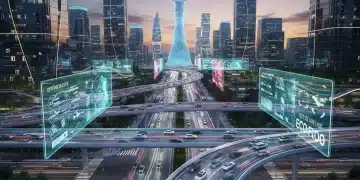
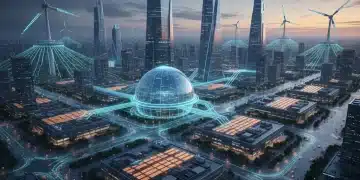
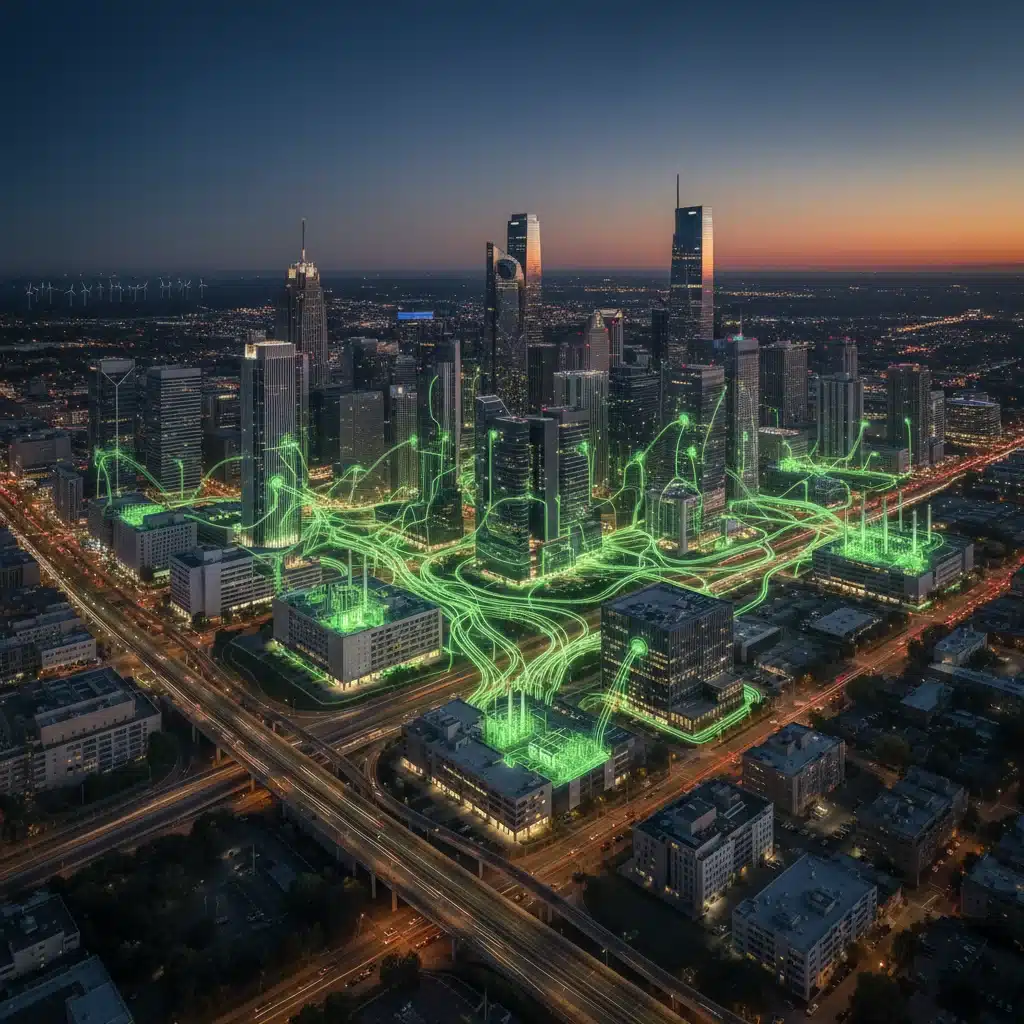
The future of urban energy is here, and it’s smarter, greener, and more efficient than ever before. U.S. cities are making unprecedented strides in energy management, with many on track to achieve a remarkable 15% reduction in energy consumption through the strategic implementation of integrated smart grids by 2026. This isn’t just an ambitious goal; it’s a tangible reality being built on a foundation of cutting-edge technology, innovative policies, and collaborative efforts. This comprehensive guide delves into the practical solutions and strategies that are empowering cities to realize these significant smart grid energy savings, offering a roadmap for sustainable urban development.
The Imperative for Smart Grid Energy Savings in Urban Environments
Before diving into the ‘how,’ it’s crucial to understand the ‘why.’ Cities are the engines of economic growth and innovation, but they are also significant consumers of energy. Rapid urbanization, coupled with aging infrastructure and increasing energy demands, places immense pressure on existing power grids. Traditional grids, often centralized and unidirectional, are ill-equipped to handle the complexities of modern energy needs, including the integration of renewable energy sources and the growing prevalence of electric vehicles.
The drive for smart grid energy savings is fueled by several critical factors:
- Climate Change Mitigation: Reducing energy consumption directly translates to a decrease in greenhouse gas emissions, a vital step in combating climate change. Smart grids enable better integration of renewables, further decarbonizing the energy supply.
- Economic Benefits: Lower energy consumption means lower utility bills for residents and businesses, freeing up resources for other investments. It also reduces the need for costly new power plant construction and transmission upgrades.
- Energy Security and Resilience: A decentralized and intelligent grid is more resilient to outages caused by extreme weather events, cyberattacks, or equipment failures. It allows for faster restoration of power and can even isolate affected areas, preventing widespread blackouts.
- Improved Quality of Life: Reduced pollution, more reliable energy, and the potential for new green jobs contribute to a higher quality of life for urban dwellers.
- Technological Advancement: The rapid evolution of IoT, AI, and data analytics provides unprecedented tools to monitor, manage, and optimize energy use in real-time.
The 15% energy savings target by 2026 is not an arbitrary number; it reflects a growing understanding of the potential of smart grid technologies to deliver tangible, measurable results within a relatively short timeframe. This goal is ambitious yet achievable, relying on a holistic approach that combines technological innovation with strategic planning and community engagement.
Defining the Integrated Smart Grid: More Than Just Wires
When we talk about integrated smart grids, we’re not just referring to advanced meters. A truly smart grid is a complex, interconnected ecosystem that leverages digital technology to monitor, control, and optimize the delivery of electricity from generation to consumption. It’s a two-way flow of information and power, allowing for dynamic responses to changes in demand and supply.
Key components of an integrated smart grid include:
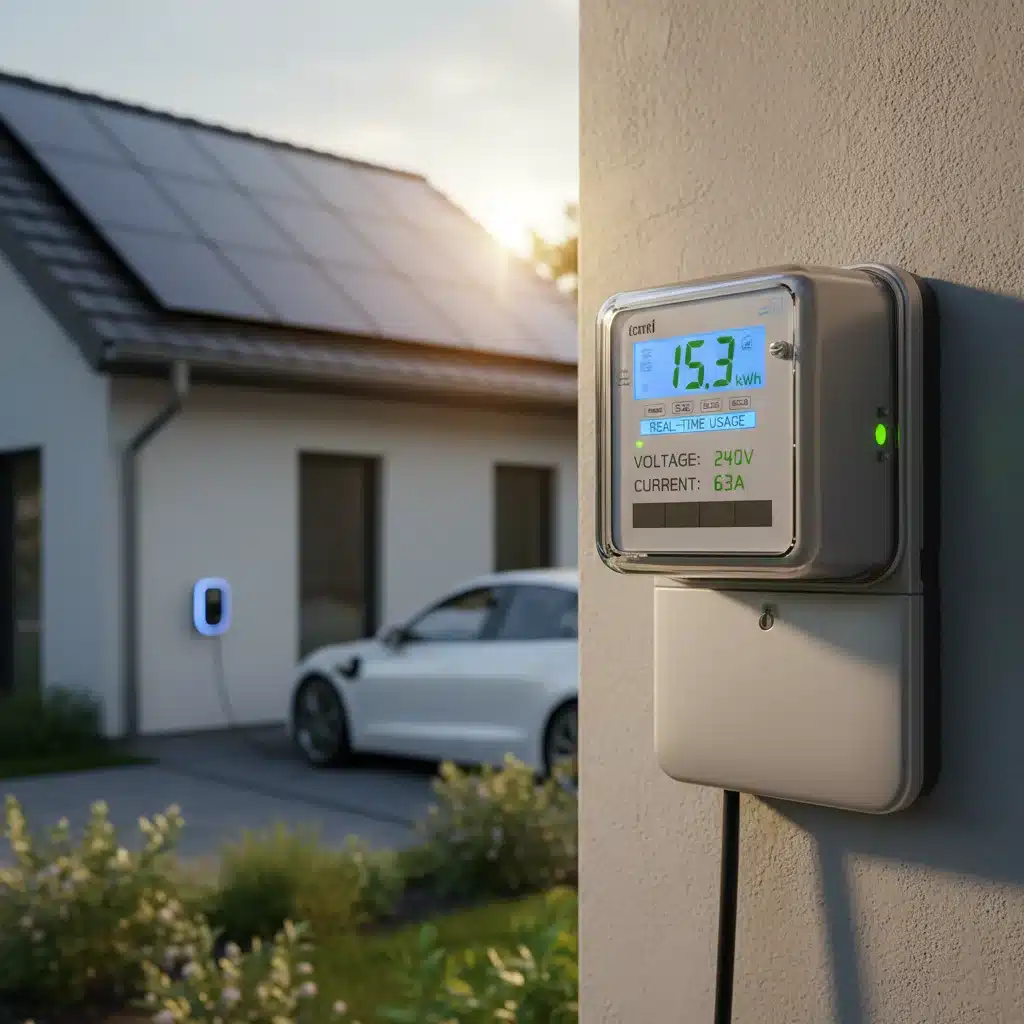
- Advanced Metering Infrastructure (AMI): These ‘smart meters’ record energy consumption in granular detail (e.g., hourly or even every 15 minutes) and communicate that data directly to utilities and consumers. This real-time data is foundational for understanding consumption patterns and identifying opportunities for smart grid energy savings.
- Distribution Automation (DA): This involves sensors, automated switches, and control systems within the distribution network that can detect and isolate faults, reroute power, and balance loads automatically, improving reliability and efficiency.
- Demand Response (DR) Programs: These programs incentivize consumers to reduce or shift their energy use during peak demand periods, helping to balance the grid and avoid costly infrastructure upgrades or the firing up of inefficient ‘peaker’ plants.
- Renewable Energy Integration: Smart grids are essential for seamlessly incorporating intermittent renewable sources like solar and wind power. They manage the variability of these sources and ensure grid stability.
- Energy Storage Systems: Batteries and other storage solutions play a crucial role in buffering renewable energy and providing grid stability, allowing excess energy generated during low demand to be stored and used when needed.
- Electric Vehicle (EV) Charging Infrastructure: Smart grids manage the charging of EVs to prevent grid overload, potentially scheduling charging during off-peak hours or when renewable energy is abundant.
- Cybersecurity Measures: As the grid becomes more digital and interconnected, robust cybersecurity is paramount to protect against attacks and ensure reliable operation.
- Data Analytics and Artificial Intelligence (AI): These technologies process the vast amounts of data generated by the smart grid to predict demand, optimize operations, and identify areas for efficiency improvements.
The integration of these components is what truly unlocks the potential for significant smart grid energy savings. It’s about creating a cohesive, intelligent network rather than a collection of disparate technologies.
Practical Solutions Driving 15% Smart Grid Energy Savings
Achieving a 15% reduction in energy consumption by 2026 requires a multi-faceted approach. Here are the practical solutions U.S. cities are implementing:
1. Advanced Metering Infrastructure (AMI) Deployment and Data Utilization
The widespread deployment of AMI is often the first step. Beyond simply replacing old meters, cities are focusing on how to effectively use the data collected. This involves:
- Customer Engagement Platforms: Providing residents and businesses with user-friendly dashboards and mobile apps that show their real-time energy consumption, historical data, and personalized tips for reduction. Studies show that informed consumers are more likely to reduce their energy use.
- Time-of-Use (TOU) Rates: Implementing electricity pricing that varies based on the time of day, encouraging consumers to shift energy-intensive activities to off-peak hours when electricity is cheaper and often generated from cleaner sources.
- Predictive Analytics: Utilities use AMI data to forecast demand with greater accuracy, allowing them to optimize generation and distribution, reducing waste and improving grid efficiency.
Example: A city might offer a mobile app that alerts residents when electricity prices are high and suggests delaying laundry or dishwashing until off-peak hours. This direct feedback loop empowers consumers to make smarter energy choices, contributing to overall smart grid energy savings.
2. Robust Demand Response Programs
Demand response is a cornerstone of smart grid energy savings. Cities are developing diverse programs to encourage voluntary load reduction:
- Residential DR: Programs that offer incentives for residents to allow their smart thermostats or appliances (e.g., water heaters, EV chargers) to be remotely controlled by the utility for short periods during peak demand.
- Commercial and Industrial DR: Larger energy consumers can receive significant financial incentives for reducing their consumption during critical periods, often by adjusting HVAC systems, lighting, or industrial processes.
- Automated Demand Response (ADR): This takes DR a step further by automating the response, often integrating directly with building management systems to adjust energy use without manual intervention.
Example: During a hot summer afternoon, a utility might initiate a DR event, slightly raising the temperature set points on participating smart thermostats for an hour. This collective action significantly reduces peak load without impacting comfort severely, leading to substantial smart grid energy savings for the entire community.
3. Optimized Distribution Automation and Grid Modernization
Upgrading the physical infrastructure of the grid is paramount. Distribution automation (DA) systems are key to improving reliability and efficiency:
- Fault Location, Isolation, and Service Restoration (FLISR): These systems automatically detect faults, isolate the affected section, and reroute power to healthy sections, minimizing outage duration and scope.
- Volt/VAR Optimization (VVO): VVO systems manage voltage levels and reactive power flow across the distribution network, reducing energy losses and improving power quality. This directly translates to smart grid energy savings by ensuring electricity is delivered efficiently.
- Sensor Deployment: Installing sensors throughout the grid provides real-time data on voltage, current, and temperature, enabling proactive maintenance and preventing failures.
Example: If a tree branch falls on a power line, a FLISR system can automatically identify the location, isolate that specific segment, and reroute power to customers around the damaged section within minutes, dramatically reducing the number of affected customers and the duration of the outage. This operational efficiency also minimizes energy waste.
4. Seamless Integration of Distributed Energy Resources (DERs)
The proliferation of rooftop solar, community solar, and small-scale wind installations presents both opportunities and challenges. Smart grids are essential for managing these DERs effectively:
- Advanced Inverters: Modern inverters for solar panels can communicate with the grid, providing services like voltage support and reactive power control, which enhance grid stability.
- Microgrids: Cities are investing in microgrids – localized grids that can operate independently from the main grid – to power critical facilities like hospitals or emergency shelters, especially during outages. These often integrate local DERs and storage.
- Virtual Power Plants (VPPs): VPPs aggregate multiple small DERs (like residential solar and battery storage) into a single, dispatchable resource that can provide services to the grid, acting like a traditional power plant.
Example: A neighborhood with numerous rooftop solar installations can form a microgrid. When the main grid experiences an outage, the microgrid can ‘island’ itself, continuing to supply power to homes within its boundaries using stored solar energy, ensuring local smart grid energy savings and resilience.
5. Smart Buildings and Energy Management Systems
Beyond the grid itself, smart buildings play a crucial role in achieving smart grid energy savings. Building Energy Management Systems (BEMS) use sensors and automation to optimize energy consumption within commercial, industrial, and even large residential buildings:
- Automated HVAC and Lighting: BEMS can adjust heating, ventilation, air conditioning, and lighting based on occupancy, time of day, weather forecasts, and even real-time electricity prices.
- Fault Detection and Diagnostics: These systems can identify malfunctioning equipment (e.g., an inefficient HVAC unit) and alert facility managers, preventing energy waste.
- Integration with Grid Signals: Smart buildings can respond to demand response signals from the utility, automatically reducing non-essential loads during peak times.
Example: A smart office building can automatically dim lights in unoccupied areas, adjust thermostat settings based on real-time occupancy data, and pre-cool during off-peak hours, significantly reducing its overall energy footprint and contributing to the city’s smart grid energy savings targets.
6. Electric Vehicle (EV) Charging Infrastructure Management
The rapid adoption of EVs presents a new challenge for the grid. Smart charging solutions are vital to manage this increased load:
- Managed Charging: Utilities can incentivize EV owners to charge their vehicles during off-peak hours or when renewable energy generation is high, preventing strain on the grid.
- Vehicle-to-Grid (V2G) Technology: While still emerging, V2G allows EVs to not only draw power from the grid but also feed power back into it during periods of high demand, essentially turning EV fleets into mobile energy storage units that support smart grid energy savings.
- Smart Charging Stations: These stations can communicate with the grid, adjusting charging rates based on grid conditions and optimizing energy flow.
Example: A city might partner with workplaces to offer discounted EV charging rates for employees who plug in their vehicles but allow smart charging systems to manage when the actual charging occurs, primarily during the workday’s middle hours when solar production is often at its peak.
The Role of Policy, Funding, and Collaboration in Achieving Smart Grid Energy Savings
Technology alone isn’t enough. The successful deployment of integrated smart grids and the realization of 15% energy savings by 2026 depend heavily on supportive policies, adequate funding, and strong collaboration among stakeholders.
Policy Frameworks and Regulations
- State and Federal Incentives: Government programs, tax credits, and grants encourage utilities and municipalities to invest in smart grid technologies.
- Regulatory Support: Regulators play a crucial role in approving new rate structures (like TOU rates), facilitating data sharing, and setting standards for grid modernization.
- Building Codes and Standards: Updating building codes to require smart-ready infrastructure and energy efficiency measures in new construction or major renovations.
Funding Mechanisms
- Public-Private Partnerships: Collaborations between cities, utilities, and private technology companies can leverage expertise and capital.
- Green Bonds and Loans: Financial instruments specifically designed to fund environmentally friendly projects.
- Utility Investment: Utilities are increasingly seeing smart grid investments as a way to improve operational efficiency and meet regulatory mandates, justifying significant capital expenditure.
Collaboration and Stakeholder Engagement
- Utility-City Partnerships: Close collaboration between local governments and utility providers is essential for aligning goals and coordinating deployment efforts.
- Community Outreach: Educating residents and businesses about the benefits of smart grid technologies and encouraging participation in demand response programs.
- Academic and Research Institutions: Partnering with universities to develop new technologies, conduct pilot projects, and evaluate the effectiveness of different strategies.
Example: A city council might pass an ordinance mandating that all new commercial buildings install smart meters and integrate with the city’s demand response program. Simultaneously, the state public utility commission could approve a new rate structure that rewards utilities for achieving smart grid energy savings, creating a powerful incentive for investment and innovation.

Measuring Success: Tracking Smart Grid Energy Savings
To confirm that cities are indeed achieving their 15% smart grid energy savings target by 2026, robust measurement and verification (M&V) protocols are vital. This isn’t just about collecting data; it’s about transforming raw data into actionable insights that demonstrate tangible results.
Key Metrics for Evaluation:
- Overall Energy Consumption Reduction: The most direct measure, tracking the decrease in total electricity consumption across the city over time. This needs to be normalized for factors like population growth, economic activity, and weather variations to provide an accurate picture.
- Peak Demand Reduction: Quantifying the decrease in electricity demand during peak hours, which is crucial for grid stability and avoiding costly infrastructure upgrades.
- Grid Reliability Improvements: Measuring metrics like System Average Interruption Duration Index (SAIDI) and System Average Interruption Frequency Index (SAIFI) to show reduced outage times and frequencies.
- Renewable Energy Integration Rates: Tracking the percentage of electricity demand met by local renewable sources, indicating progress towards decarbonization.
- Customer Participation Rates in DR Programs: Higher participation indicates successful engagement and contributes directly to demand-side smart grid energy savings.
- Energy Efficiency Gains in Buildings: Monitoring the specific energy consumption of participating smart buildings to assess the impact of BEMS and other efficiency upgrades.
- Emissions Reductions: Calculating the decrease in greenhouse gas emissions directly attributable to energy savings and increased renewable energy use.
Data Analytics and Reporting: Cities are increasingly using sophisticated data analytics platforms to aggregate and interpret data from various smart grid components. Regular, transparent reporting to stakeholders and the public is essential for maintaining momentum, securing continued investment, and demonstrating accountability. This includes annual reports, public dashboards, and case studies highlighting successful smart grid energy savings initiatives.
Challenges and Future Outlook for Smart Grid Energy Savings
While the path to 15% smart grid energy savings by 2026 is promising, it’s not without its challenges:
- Interoperability: Ensuring that different smart grid technologies and platforms from various vendors can communicate and work seamlessly together.
- Cybersecurity Threats: Protecting an increasingly digital and interconnected grid from sophisticated cyberattacks.
- Data Privacy: Addressing concerns about the collection and use of granular energy consumption data.
- Cost of Deployment: The initial capital investment for smart grid infrastructure can be substantial, requiring creative funding solutions.
- Public Acceptance: Gaining buy-in from residents and businesses, who may be wary of new technologies or changes to their energy habits.
Despite these hurdles, the momentum for smart grid energy savings is undeniable. Looking beyond 2026, the evolution of smart grids will likely include even greater integration with other smart city initiatives, such as smart transportation and smart waste management. The grid will become even more decentralized, with a greater role for prosumers (consumers who also produce energy) and local energy markets. AI and machine learning will play an even more dominant role in predictive maintenance, optimization, and real-time decision-making.
The journey towards a truly intelligent and sustainable energy future is continuous, but U.S. cities are demonstrating that significant smart grid energy savings are not only possible but are becoming a cornerstone of modern urban living.
Conclusion: A Brighter, More Efficient Urban Future
The commitment of U.S. cities to achieve 15% energy savings through integrated smart grids by 2026 is a testament to their vision for a sustainable and resilient future. This ambitious target is being met through a combination of advanced metering, robust demand response programs, modernized distribution automation, seamless integration of distributed energy resources, smart building technologies, and intelligent EV charging management. These practical solutions, supported by progressive policies, innovative funding, and strong collaboration, are not just reducing energy consumption; they are enhancing grid reliability, fostering economic growth, and significantly contributing to climate change mitigation.
The transformation of urban energy landscapes is a complex undertaking, but the benefits — from lower utility bills and reduced carbon footprints to enhanced energy security and an improved quality of life — are profound. As cities continue to embrace and refine their smart grid strategies, they are laying the groundwork for an energy system that is not only efficient and reliable but also adaptive, intelligent, and truly sustainable. The smart grid energy savings being realized today are paving the way for a brighter, more efficient urban future for generations to come.