Connectivity on the Go: The Latest Advancements in V2X Technology and Its Projected 2026 Integration into US Roadways
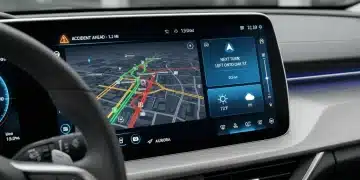
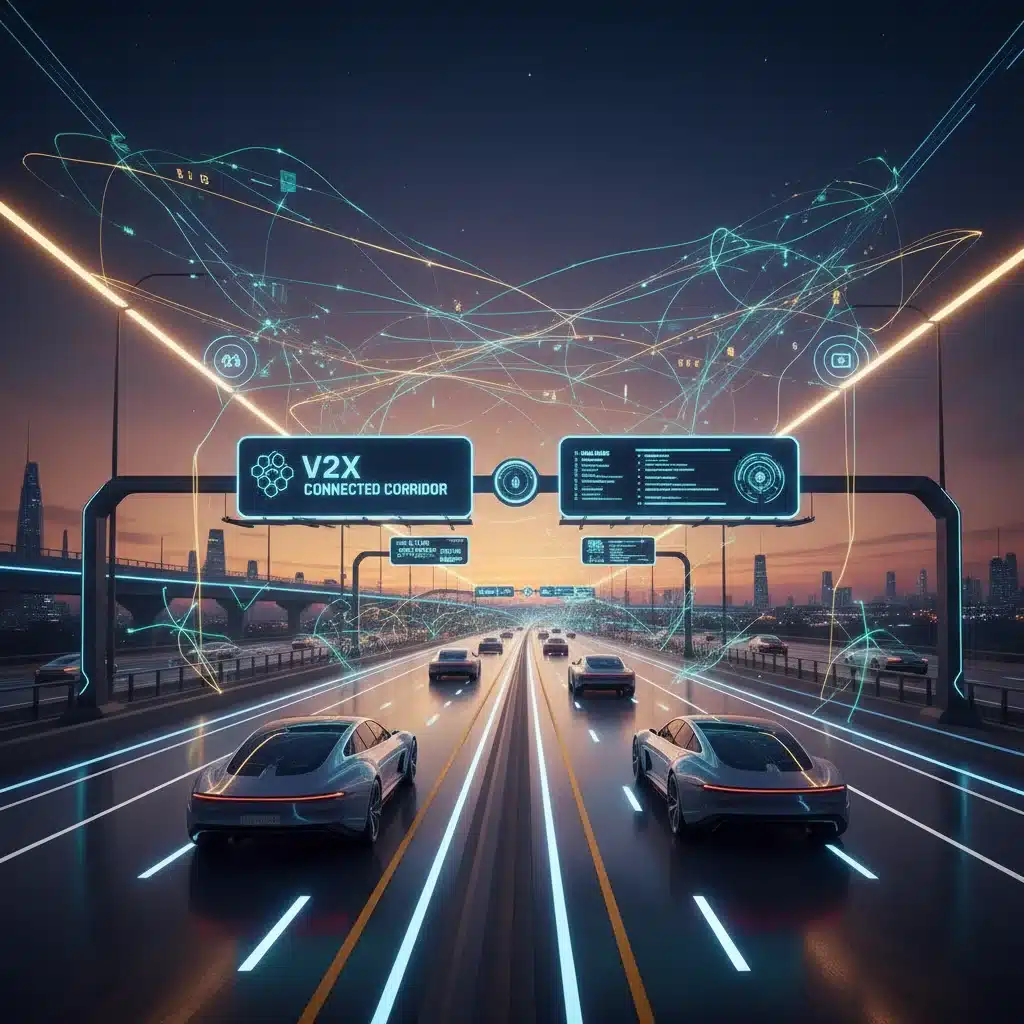
Imagine a future where your car not only knows about the traffic jam ahead but also communicates with the traffic lights to optimize your route, warns you about a pedestrian stepping onto the road even before you see them, and even coordinates with other vehicles to prevent accidents. This isn’t science fiction; it’s the promise of V2X technology 2026, a revolutionary concept poised to transform US roadways within the next few years. Vehicle-to-Everything (V2X) communication is rapidly evolving, moving from theoretical discussions to tangible deployments, with a significant impact expected by 2026.
The automotive industry is on the cusp of an unprecedented transformation, driven by advancements in connectivity, automation, and electrification. Among these, V2X technology stands out as a critical enabler for safer, more efficient, and ultimately, more enjoyable driving experiences. This comprehensive guide delves into the core components of V2X, its latest advancements, the ambitious timeline for its integration into US infrastructure, and the profound implications it holds for drivers, urban planners, and the entire transportation ecosystem.
Understanding V2X Technology: The Foundation of Connected Mobility
At its heart, V2X technology refers to the comprehensive communication system that allows vehicles to exchange information with various entities in their environment. This umbrella term encompasses several distinct communication modes, each playing a vital role in creating a fully connected transportation network:
- Vehicle-to-Vehicle (V2V): This allows cars to directly communicate with each other, sharing data such as speed, heading, brake status, and location. V2V communication is crucial for collision avoidance, enabling vehicles to anticipate and react to potential hazards posed by other cars on the road. For instance, if a car brakes suddenly ahead, V2V can instantly alert following vehicles, providing precious milliseconds for drivers or autonomous systems to react. This direct communication significantly enhances road safety and is a cornerstone of advanced driver-assistance systems (ADAS) and autonomous driving.
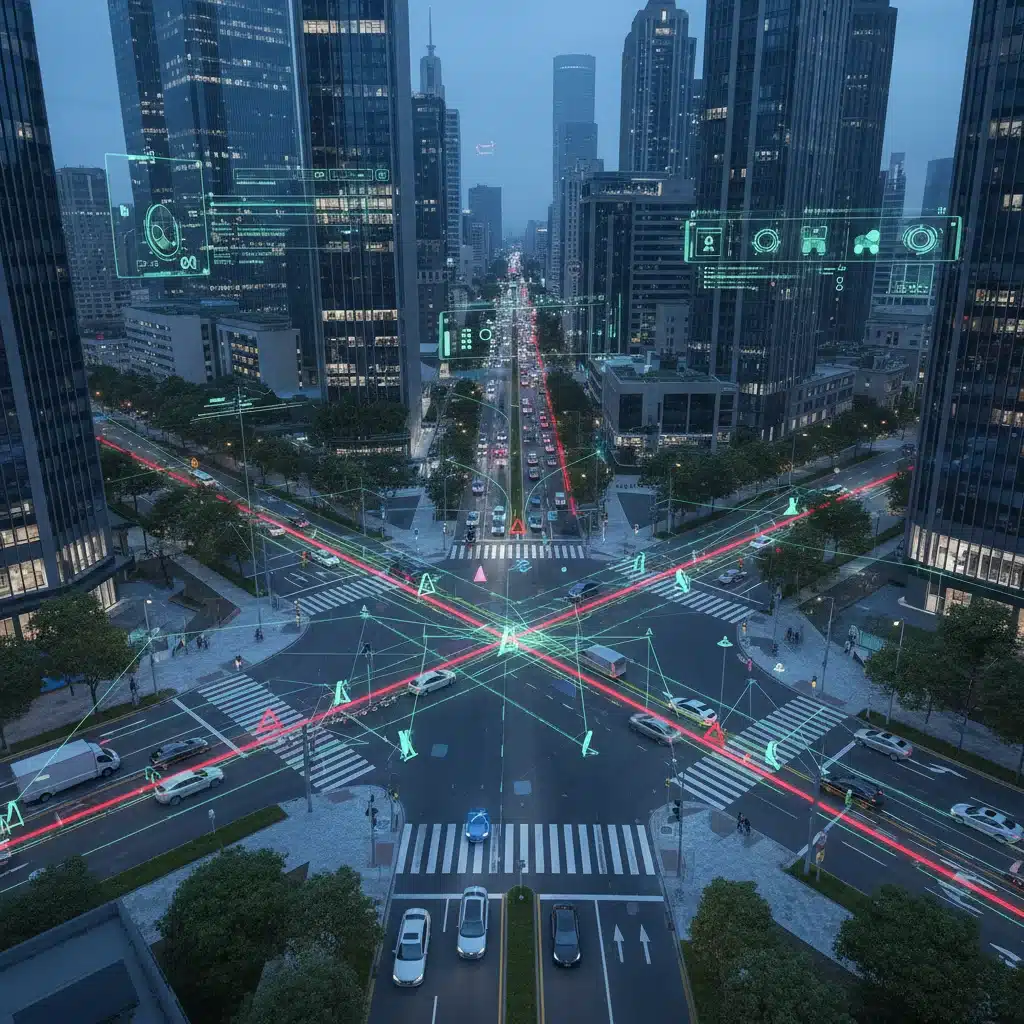
- Vehicle-to-Infrastructure (V2I): V2I involves vehicles communicating with static road infrastructure, such as traffic lights, road signs, toll booths, and construction zones. This enables real-time information exchange, allowing vehicles to receive data about traffic signal timing, road conditions, speed limits, and upcoming lane closures. Imagine a traffic light communicating its upcoming phase change directly to your car, allowing for smoother acceleration and deceleration, reducing fuel consumption, and improving traffic flow. V2I is vital for intelligent traffic management and can help mitigate congestion.
- Vehicle-to-Pedestrian (V2P): This mode focuses on communication between vehicles and pedestrians or cyclists, typically through smartphones or wearable devices. V2P alerts drivers to the presence of vulnerable road users and warns pedestrians of approaching vehicles, significantly reducing the risk of accidents. This is particularly important in urban environments where interactions between vehicles and pedestrians are frequent and often unpredictable.
- Vehicle-to-Network (V2N): V2N connects vehicles to the broader cellular network or cloud-based services. This enables access to a wide range of services, including real-time traffic updates, navigation, infotainment, emergency calls (e.g., eCall systems), remote diagnostics, and over-the-air (OTA) software updates. V2N leverages existing cellular infrastructure to provide ubiquitous connectivity and enhance the overall driving experience.
- Vehicle-to-Grid (V2G): Primarily relevant for electric vehicles (EVs), V2G allows EVs to communicate with the power grid, enabling them to not only draw electricity for charging but also send excess energy back to the grid. This bidirectional energy flow can help stabilize the grid, especially with the increasing adoption of renewable energy sources, and offers potential economic benefits for EV owners.
The synergy of these communication channels forms the backbone of a truly connected transportation system, where every element can communicate and coordinate, leading to unprecedented levels of safety, efficiency, and convenience. The journey towards widespread V2X technology 2026 integration is a complex one, requiring collaboration among automakers, technology providers, government agencies, and infrastructure developers.
The Latest Advancements Fueling V2X Integration
The rapid progression of V2X technology is driven by several key technological advancements and strategic decisions:
5G Connectivity: The Backbone of High-Speed V2X
The advent of 5G cellular technology is a game-changer for V2X. Its ultra-low latency, high bandwidth, and massive connectivity capabilities are perfectly suited for the demands of real-time V2X communication. While earlier V2X deployments often relied on Dedicated Short Range Communications (DSRC), the industry is increasingly shifting towards Cellular V2X (C-V2X), which leverages 4G LTE and increasingly 5G networks. C-V2X offers both direct communication (PC5 interface) for V2V, V2I, and V2P, and network-based communication (Uu interface) for V2N, providing a more versatile and scalable solution. The low latency of 5G is critical for safety-critical applications, where milliseconds can make the difference between an avoided collision and an accident.
Advanced Sensors and AI Integration
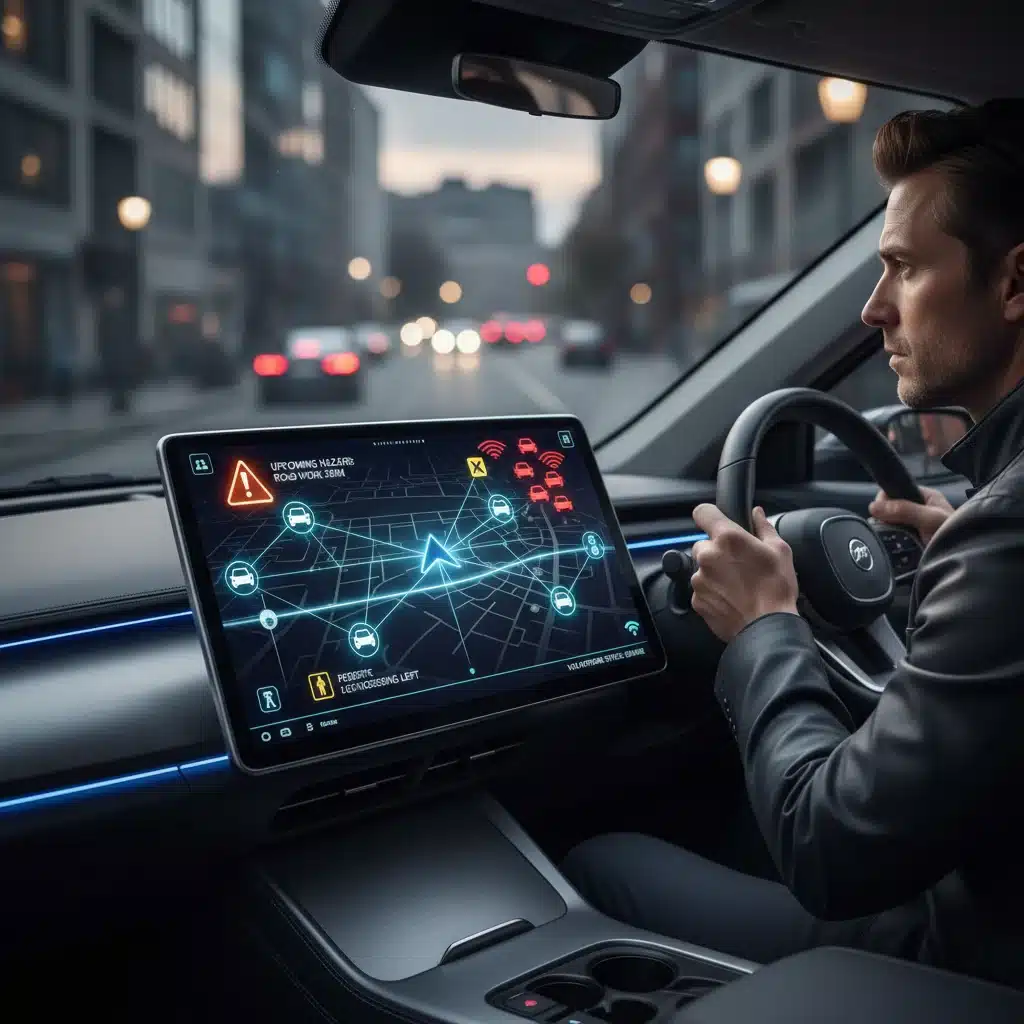
While V2X provides communication, it complements and enhances the data gathered by in-vehicle sensors such as cameras, radar, lidar, and ultrasonic sensors. The fusion of sensor data with V2X information creates a more comprehensive and robust understanding of the vehicle’s surroundings. Artificial intelligence (AI) and machine learning algorithms are then used to process this vast amount of data, predict potential hazards, and make informed decisions, whether by a human driver or an autonomous system. This integration allows for a 360-degree awareness that goes beyond the line of sight, enabling vehicles to ‘see’ around corners or through obstacles.
Standardization Efforts and Interoperability
For V2X to be truly effective, seamless communication between vehicles from different manufacturers and with diverse infrastructure elements is essential. Significant progress has been made in standardizing V2X communication protocols and message sets. Organizations like the 3GPP (for C-V2X) and IEEE (for DSRC) have been instrumental in developing these standards. The ongoing efforts to ensure interoperability are critical for widespread adoption and for building a cohesive connected transportation ecosystem. Without common standards, the benefits of V2X would be severely limited, leading to fragmented systems that cannot communicate effectively.
Edge Computing and Cloud Infrastructure
The sheer volume of data generated by V2X systems requires sophisticated processing capabilities. Edge computing, which processes data closer to its source (e.g., at roadside units or within vehicles), helps reduce latency and bandwidth requirements for real-time applications. Cloud computing, on the other hand, provides the scalability and storage necessary for long-term data analysis, AI training, and the delivery of V2N services. The combination of edge and cloud infrastructure creates a powerful and resilient platform for V2X operations.
Projected 2026 Integration into US Roadways: An Ambitious Timeline
The year 2026 is often cited as a pivotal milestone for V2X integration in the US. This ambition is driven by a confluence of factors, including technological maturity, regulatory support, and increasing industry investment. While full nationwide deployment will extend beyond 2026, significant strides are expected by this date.
Regulatory Landscape and Spectrum Allocation
A crucial factor for V2X deployment is regulatory clarity, particularly concerning spectrum allocation. The Federal Communications Commission (FCC) has played a significant role in this. Historically, the 5.9 GHz band was allocated for DSRC. However, in a landmark decision, the FCC reallocated a portion of this band (the lower 30 MHz, 5.895-5.925 GHz) for C-V2X in 2020, while also opening the upper 45 MHz (5.925-5.970 GHz) for unlicensed Wi-Fi use. This decision has provided a clear path forward for C-V2X deployment in the US, aligning with global trends.
Pilot Programs and Early Deployments
Numerous pilot programs and early deployments are already underway across the US, testing V2X technology in real-world scenarios. Cities and states are collaborating with automakers and technology companies to implement smart infrastructure, equip public fleets with V2X capabilities, and gather valuable data. These projects are crucial for refining the technology, identifying best practices, and demonstrating the tangible benefits of V2X. By 2026, we can expect to see an increase in these deployments, particularly in metropolitan areas and along major transportation corridors.
Automaker Commitments and Vehicle Penetration
Major automakers are increasingly committing to integrating V2X capabilities into their new vehicle lineups. While it will take time for V2X-equipped vehicles to achieve significant market penetration, the trend is clear. Some manufacturers are already offering C-V2X modules in certain models, primarily in commercial vehicles initially. By 2026, it’s anticipated that a growing number of new passenger vehicles will come equipped with V2X hardware, laying the groundwork for a critical mass of connected cars on the road. The more vehicles that communicate, the greater the network effect and the benefits of V2X technology 2026.
Infrastructure Upgrades and Smart City Initiatives
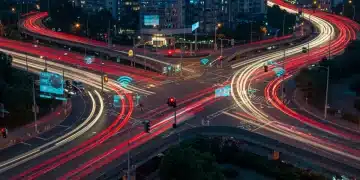
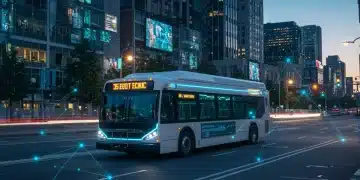
The successful integration of V2X requires significant investment in smart infrastructure. This includes upgrading traffic signals with V2I capabilities, deploying roadside units (RSUs) for direct communication, and establishing robust cellular coverage. Many smart city initiatives across the US are incorporating V2X as a core component of their transportation strategies, aiming to improve traffic flow, reduce emissions, and enhance public safety. These infrastructure upgrades are a multi-year effort, and 2026 marks an important checkpoint for the progress made in this area.
The Profound Impact of V2X on US Roadways
The widespread adoption of V2X technology by 2026 will bring about transformative changes to how we travel and interact with our transportation environment.
Enhanced Road Safety: A Paramount Benefit
One of the most compelling advantages of V2X is its potential to dramatically improve road safety. By enabling vehicles to communicate hazards, warn of potential collisions, and share real-time road conditions, V2X can prevent a significant percentage of accidents. Imagine vehicles automatically alerting each other to black ice, sudden braking, or disabled vehicles around a blind curve. This proactive approach to safety goes far beyond what individual sensors can achieve, potentially saving thousands of lives and reducing countless injuries annually. The ability to detect pedestrians and cyclists even when obscured by obstacles is another critical safety enhancement.
Optimized Traffic Flow and Reduced Congestion
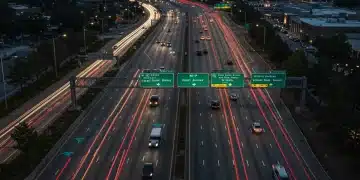
V2X can revolutionize traffic management. By allowing vehicles to communicate with traffic signals, optimize speeds for green waves, and receive real-time congestion data, it can significantly reduce bottlenecks and travel times. Dynamic routing based on collective vehicle data can intelligently distribute traffic, preventing severe congestion in specific areas. This leads to less time spent in traffic, reduced driver frustration, and a more efficient use of existing road infrastructure. The economic benefits of reduced congestion, including lower fuel consumption and increased productivity, are substantial.Environmental Benefits: A Greener Commute
Smoother traffic flow, reduced idling, and optimized acceleration/deceleration patterns directly translate into lower fuel consumption and reduced emissions. V2X technology can help vehicles operate more efficiently, contributing to cleaner air and a smaller carbon footprint. Furthermore, by facilitating the efficient charging and integration of electric vehicles (V2G), V2X supports the broader transition to sustainable transportation.
Foundation for Autonomous Driving
While autonomous vehicles rely heavily on their onboard sensors, V2X provides a crucial layer of redundancy and enhanced perception. It allows autonomous vehicles to perceive the environment beyond their line of sight, complementing sensor data with information from other vehicles and infrastructure. This greatly enhances the safety and reliability of autonomous systems, accelerating their deployment and public acceptance. For Level 4 and Level 5 autonomous vehicles, V2X is not just an enhancement but a fundamental requirement for safe and efficient operation in complex environments.
Enhanced Emergency Response
V2X can significantly improve emergency response times. Emergency vehicles equipped with V2X can communicate with traffic lights to clear their path, and approaching vehicles can be warned of their presence well in advance. In the event of an accident, V2X-equipped vehicles can automatically transmit crash data to emergency services, providing critical information for a faster and more targeted response. This can reduce the time it takes for help to arrive, potentially saving lives and mitigating further damage.
Challenges and Considerations for V2X Deployment
Despite the immense potential, the path to widespread V2X technology 2026 integration is not without its challenges:
Cybersecurity and Data Privacy
The exchange of vast amounts of data between vehicles and infrastructure raises significant cybersecurity and data privacy concerns. Protecting against malicious attacks, ensuring data integrity, and safeguarding personal information are paramount. Robust encryption, authentication protocols, and secure data handling practices are essential for building trust in V2X systems. The industry is actively developing and implementing advanced security measures to address these critical issues.
Cost of Deployment and Infrastructure Upgrades
The cost of upgrading existing road infrastructure and equipping vehicles with V2X hardware is substantial. This requires significant investment from government agencies, municipalities, and private entities. Developing sustainable funding models and demonstrating a clear return on investment will be crucial for accelerating deployment. Public-private partnerships are likely to play a key role in financing these large-scale infrastructure projects.
Interoperability Across Different Systems
While standardization efforts are ongoing, ensuring seamless interoperability between various V2X technologies (DSRC vs. C-V2X), different manufacturers’ implementations, and diverse infrastructure components remains a complex challenge. Harmonization of standards and rigorous testing will be necessary to prevent a fragmented ecosystem.
Public Acceptance and Awareness
Educating the public about the benefits and safety features of V2X technology is crucial for gaining acceptance. Addressing concerns about data privacy, reliability, and the learning curve associated with new technologies will be vital. Clear communication campaigns and demonstrations of V2X’s real-world advantages can help foster public trust and accelerate adoption.
Legal and Liability Frameworks
As vehicles become more connected and automated, existing legal and liability frameworks may need to be updated. Questions around fault in the event of an accident involving V2X communication, data ownership, and the responsibilities of various stakeholders will need to be addressed. Clear regulations and policies are essential for the safe and responsible deployment of V2X systems.
The Road Ahead: Beyond 2026
While 2026 represents a significant milestone for V2X integration in the US, it is by no means the finish line. The evolution of V2X technology will continue, with ongoing research and development focusing on even more advanced applications:
- Cooperative Driving Automation: This involves vehicles coordinating their movements in real-time, for example, forming platoons on highways to reduce aerodynamic drag and improve efficiency, or coordinating at intersections without traffic lights for seamless flow.
- Predictive Maintenance: V2X can enable vehicles to transmit diagnostic data to manufacturers or service centers, allowing for predictive maintenance and reducing unexpected breakdowns.
- Smart Parking Solutions: Vehicles can communicate with parking infrastructure to find available spots, guide drivers to them, and even automate payment.
- Integration with Other Smart City Services: V2X will increasingly integrate with other smart city initiatives, such as smart waste management, smart lighting, and public safety systems, creating a truly interconnected urban environment.
The vision for V2X technology 2026 and beyond is one of a fully integrated, intelligent transportation system that is safer, more efficient, and more sustainable. The foundational work being laid now will pave the way for a future where our roads are not just pathways, but intelligent networks that constantly communicate, learn, and adapt to our needs.
Conclusion: A Connected Future on US Roadways
The journey towards widespread V2X technology on US roadways by 2026 is an ambitious yet achievable goal. The convergence of advanced communication technologies like 5G, sophisticated sensors, AI, and dedicated regulatory efforts is setting the stage for a paradigm shift in transportation. While challenges remain in areas such as cybersecurity, funding, and public acceptance, the benefits in terms of enhanced safety, reduced congestion, and environmental sustainability are too significant to ignore.
As we approach 2026, we will witness an accelerating deployment of V2X-equipped vehicles and smart infrastructure, particularly in urban centers and along major highway corridors. This will not only improve the daily commute for millions but also lay the essential groundwork for the next generation of autonomous vehicles and truly intelligent transportation systems. The future of mobility is connected, and V2X technology 2026 is the key to unlocking its full potential, promising a safer, greener, and more efficient driving experience for everyone on US roads.