
Smart Traffic Management: US Cities to Cut Congestion by 10% in 2026
By 2026, US cities aim to reduce traffic congestion by 10% through advanced smart traffic management systems, integrating AI, IoT, and real-time data analytics to optimize urban flow and enhance mobility.
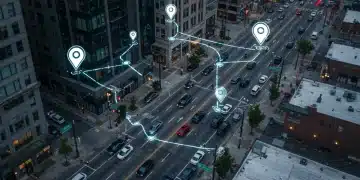
Smart Parking Solutions: Boost Revenue, Cut Search Times in US Downtowns
Smart parking solutions are poised to revolutionize urban areas, projected to boost revenue by 10% and significantly reduce average parking search times by 15 minutes in US downtowns by 2026, enhancing urban efficiency and driver experience.
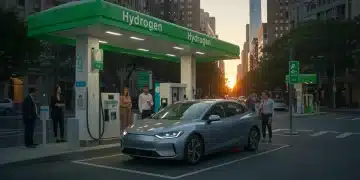
Hydrogen Fuel Cell Vehicles: 2026 US Adoption Surge?
The year 2026 is anticipated to mark a significant turning point for hydrogen fuel cell vehicles in the US, driven by evolving infrastructure, supportive policies, and technological maturation, propelling them towards broader public adoption.
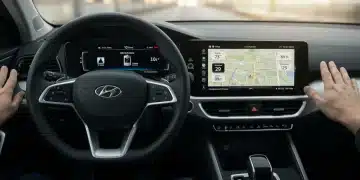
EV Telematics Systems 2026: Top 3 Comparison
This article provides an in-depth comparison of the top three electric vehicle (EV) telematics systems projected for 2026, analyzing their key features, benefits, and how they are set to revolutionize fleet management and individual EV ownership.
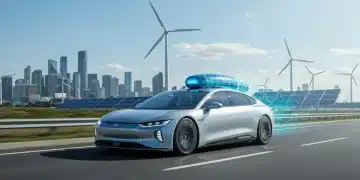
Hydrogen Fuel Cell Vehicles: US Market Readiness & 2026 Adoption
By 2026, hydrogen fuel cell vehicles in the US face critical infrastructure hurdles and cost barriers, yet significant governmental and private investments are poised to accelerate market readiness and adoption rates.

Smart City Renewable Energy: 40% Carbon Cut by 2026
Integrating renewable energy into smart city designs is pivotal for achieving a significant 40% carbon emission reduction by 2026, driving sustainable urban development and enhancing environmental resilience across the United States.

Deploying 5G in US Smart Cities: 12-Month Plan for 2026
This article outlines a practical 12-month plan for deploying 5G infrastructure in U.S. smart cities by 2026, covering key phases, challenges, and solutions for successful implementation and urban innovation.

Autonomous Vehicle Integration: 2026 Challenges on US Highways
This expert analysis delves into the pivotal challenges facing autonomous vehicle integration on US highways by 2026. We examine regulatory complexities, the critical role of public trust, and essential infrastructure upgrades for a seamless transition to self-driving mobility.

2026 EV Battery Advancements: Range, Charging, and US Impact
Discover how three key 2026 EV battery advancements will redefine electric vehicle performance, offering significantly increased range and ultra-fast charging capabilities, profoundly impacting the US automotive landscape and accelerating EV adoption.

Hydrogen Fuel Cell Vehicles: Why 2026 Could Be the Breakthrough Year for U.S. Heavy-Duty Transport
The year 2026 is rapidly emerging as a critical inflection point for the widespread adoption of hydrogen fuel cell vehicles in U.S. heavy-duty transport. This article delves into the converging factors—technological maturity, escalating infrastructure, and supportive policies—that are setting the stage for a transformative shift towards sustainable logistics.

U.S. Cities Achieve 15% Energy Savings with Smart Grids by 2026
U.S. cities are on track to achieve remarkable energy savings through integrated smart grids. This guide explores the technologies, strategies, and benefits driving a projected 15% reduction in energy consumption by 2026, offering practical solutions for urban sustainability.

Smart City Mobility Solutions: Cutting US Commute Times by 15% by Q2 2026
This article delves into the transformative potential of smart city mobility solutions in reducing US commute times by 15% by Q2 2026. We analyze data-driven strategies, technological innovations, and policy frameworks critical for achieving this ambitious goal, enhancing urban living for millions.